
Eu3a Magazine - Summer 2026
In Conversation with …
Alex Coomes of Brightwater Brewery
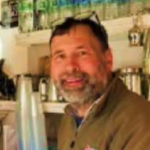
Mark Dowdney talks to founder of Elmbridge’s most popular, prize- winning micro-brewery and landlord of Platform 3, the smallest pub in the UK.
When did you start brewing beer?
Actually, my father led me astray and taught me as a boy at home and it became a hobby. I even brewed beer as a student at university.
Why did you start Brightwater?
In 2011 I was made redundant from a hedge fund career in the City and thought I’d have ago at running my own business with the help of my partner Sue. I’ve always enjoyed beer and talking to people, so we created a business plan and built a brewery in my garage. It’s still there.

Platform 3 is a great idea and very popular I imagine?
It is. It was a former coal office next to Claygate Station, which we turned into a tiny pub. It only has room inside for one chair so we put tables and chairs outside. Before lockdown it was rammed on Friday nights but these days the cost of living has made people more circumspect and we’re more of a community hub. Traditionally on Boxing Day the Morris dancers visit and we get up to 500 people watching.
What beers do you brew?
We have seven basic beers which we rotate. They include our flagship ale, Daisy Gold - named after a pet dog, Lipsmacker, Cherry Stout, Village Green and Little Nipper. As well as selling them at Platform 3, we supply about 30 pubs in the area. It’s enough to keep me busy.
Is brewing difficult?
No, but being consistent is. There are so many variables which can affect the taste, from the water to the grain. Equipment must be properly cleaned which is crucial and we test the water every week because that can change. Temperature is also so critical to brewing.
Have your customers’ tastes changed over the years?
They have but I have found that to sell beer it doesn’t need lots of alcohol. My aim is to produce lower gravity beers with a dry, crisp flavour and great taste. I can sell more that way. We steer clear of very strong ales. Our strongest is called Cole Porter with a higher gravity and malty flavour. And I don’t make non-alcoholic beer because it’s so expensive to remove the alcohol.

How much beer do you make each week?
In summer I can make 80 to 90 firkins (i firkin equals 72 pints) a week, but in winter I hardly brew at all, and nothing in January and February. It takes about six weeks from start to finish. It can be sold after three weeks but it’s at its peak after six. The darker beers improve with time like wine. But once a cask is opened the clock is ticking, it needs to be drunk within three days.
How do you keep open when so many pubs are closing?
It’s difficult. My advantage is that I brew my own beer so I have a little bit more margin in my pocket. But it’s tight. Also, there’s only three of us in the business, myself, Sue, and a lad who helps me with the cleaning.

Do people make special trips to drink here?
Yes, they come from all over, even from New Zealand and Canada having read about us in an in-flight magazine. I believe quite a few of your u3a members come here as well, but I wouldn’t divulge any of their secrets!